
10.38 laminated glass
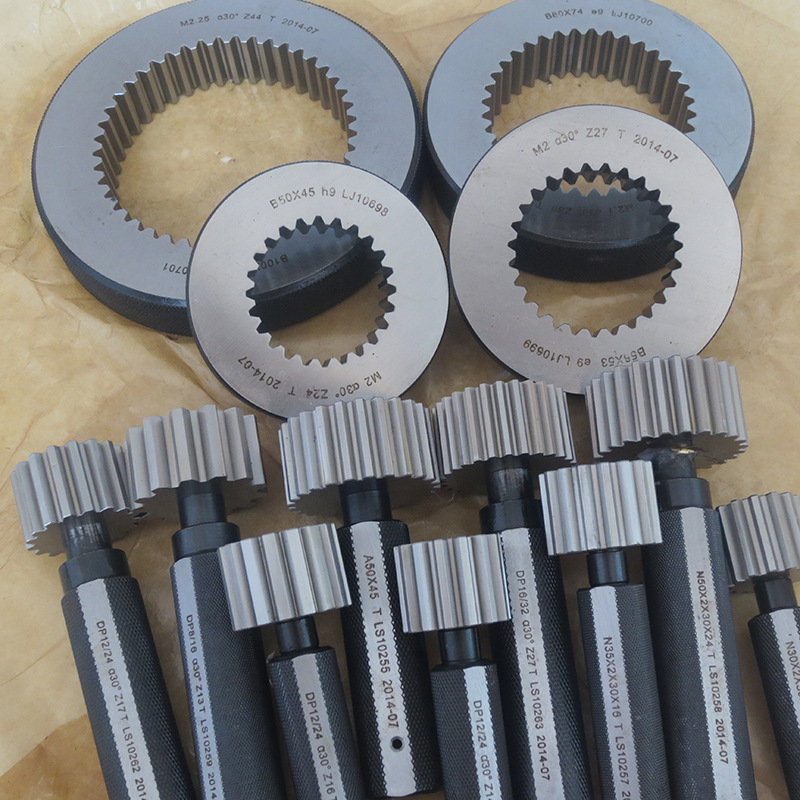
Understanding the Taper Gauge A Comprehensive Overview In the world of precision engineering and manufacturing, the taper gauge is an essential tool that plays a critical role in ensuring the accuracy and reliability of various components. Specifically, the taper gauge with a size of 1 to 15 mm (often referred to simply as a taper gauge 1 15 mm) serves specific applications due to its unique design and capabilities. In this article, we will explore the significance, functionality, and applications of the taper gauge, providing a detailed overview to enhance your understanding. What is a Taper Gauge? A taper gauge is a measuring instrument designed to determine the taper or angle of an object. It typically consists of a graduated blade that is tapered at one end and flat at the other. The gauge is used to measure the size of holes, the alignment of surfaces, and the dimensions of various tapered fittings. The versatility of the taper gauge allows it to be used in a variety of fields, including manufacturing, construction, and maintenance. By providing precise measurements, it ensures that parts fit correctly and that the dynamics of mechanical systems operate smoothly. Design and Features of a Taper Gauge 1 15 mm The taper gauge 1 15 mm is characterized by its range of measurement from 1 millimeter to 15 millimeters. This range makes it particularly useful for applications where flexibility and precision are required. Its tapered design allows it to easily enter holes or gaps of varying sizes, enabling technicians to assess the diameter and alignment of drilled holes, pipes, and other cylindrical features. Typically made from durable materials such as stainless steel, taper gauges are designed to withstand wear and tear, ensuring longevity and consistent performance. Many taper gauges come with clear, easy-to-read markings, allowing users to take measurements quickly and accurately. Applications of Taper Gauges taper gauge 1 15mm 1. Manufacturing In manufacturing, taper gauges are invaluable for quality control. They are used to verify the accuracy of machined parts, ensuring that the dimensions meet specified tolerances. Any deviation can be identified and corrected early in the production process, reducing waste and improving overall quality. 2. Plumbing and Pipefitting Taper gauges are often used by plumbers and pipefitters to measure the size of pipes and fittings. This ensures that connections are tight and secure, preventing leaks and ensuring the integrity of the plumbing system. 3. Automotive Industry In the automotive sector, taper gauges are used to measure wheel bearings, axles, and other critical components. Accurate measurements are essential for ensuring the safety and performance of vehicles on the road. 4. Construction Contractors and builders use taper gauges to check the alignment and dimensions of structural components. This ensures that everything fits together correctly, maintaining the integrity of the building structure. 5. Machining and Fabrication In machine shops, taper gauges are employed for checking the dimensions of holes that will receive tapered pins or shafts. This ensures proper fit and function, which is crucial for mechanical assemblies. Conclusion The taper gauge 1 15 mm is a vital tool in various industries, providing precision measurements that contribute to the overall quality and efficiency of manufacturing, construction, and maintenance tasks. Its versatility, ease of use, and accuracy make it an indispensable asset for professionals in numerous fields. As technology advances and industries evolve, the importance of precise measurement tools, like the taper gauge, continues to grow. By understanding the functionalities and applications of the taper gauge, professionals can enhance their skills and ensure the reliability and safety of their projects. Whether you're a seasoned technician or someone new to the trade, familiarizing yourself with taper gauges will undoubtedly enhance your understanding of precision engineering and contribute to your success in various applications.
about
10.38 laminated glass
The Importance and Versatility of OEM Saddle Pipe Clamps In the realm of plumbing and construction, the seemingly simple components often play a crucial role in ensuring the stability and efficiency of various systems. One such essential component is the OEM saddle pipe clamp. These clamps are integral to the installation and maintenance of piping systems, allowing for secure connections and seamless operation. This article delves into the importance, versatility, and application of OEM saddle pipe clamps in various industries. What is an OEM Saddle Pipe Clamp? OEM stands for Original Equipment Manufacturer, which signifies that the saddle pipe clamps are manufactured to meet specific standards set by the original equipment. A saddle pipe clamp is designed to support pipes at various angles or to stabilize them against external forces. Typically, it features a saddle-like design that wraps around the pipe and tightens securely using bolts or screws, ensuring the pipe remains in place without any movement, which might lead to leaks or failures. Why Are OEM Saddle Pipe Clamps Important? 1. Enhanced Stability One of the primary functions of saddle pipe clamps is to provide stability. They prevent pipe movement that could lead to bending or stress, which might ultimately result in leaks or failures. This is particularly critical in environments where pipes are subject to vibrations, thermal expansion, or significant pressure changes. 2. Ease of Installation OEM saddle pipe clamps are designed for easy installation, allowing for quick setup in various applications. Their user-friendly design means that even those with minimal experience can secure pipes effectively, leading to time and cost savings during installation projects. 3. Corrosion Resistance Many OEM saddle pipe clamps are manufactured from materials that are resistant to corrosion and rust. This is essential in environments where pipes may be exposed to moisture or other harsh conditions. By preventing corrosion, these clamps extend the lifespan of the piping system, reducing the need for repairs and replacements. oem saddle pipe clamp 4. Versatility OEM saddle pipe clamps can be utilized across a broad spectrum of industries, including plumbing, HVAC, and industrial manufacturing. Whether for residential plumbing systems, complex industrial piping, or heating and cooling systems, these clamps provide the necessary support and reliability. Applications of OEM Saddle Pipe Clamps 1. Residential Plumbing In homes, OEM saddle pipe clamps are crucial for securing water supply lines, drainage pipes, and vent stacks. They help maintain the integrity of plumbing systems and prevent potential water damage caused by leaks. 2. HVAC Systems In heating, ventilation, and air conditioning (HVAC) applications, these clamps are employed to secure ductwork and refrigerant lines. Ensuring that these pipes are stable minimizes noise and enhances the overall efficiency of the system. 3. Industrial Settings In manufacturing plants, OEM saddle pipe clamps facilitate the transport of fluids and gases within complex piping systems. Their robust design is capable of handling high pressures and temperatures, making them ideal for applications involving steam or chemical processing. 4. Construction During construction, these clamps assist in the installation of temporary piping systems, supporting equipment like scaffolds or cranes where pipes need to be securely attached. Conclusion In conclusion, OEM saddle pipe clamps are indispensable components in various plumbing and construction applications. Their reliability, ease of use, and versatile nature make them a preferred choice for professionals across multiple industries. By enhancing the stability and efficiency of piping systems, these clamps play a critical role in ensuring that infrastructure operates smoothly and effectively. Investing in high-quality OEM saddle pipe clamps not only guarantees a secure connection but also contributes to the overall longevity and performance of the systems they support. As industries continue to evolve, the demand for reliable and efficient piping solutions, such as OEM saddle pipe clamps, will undoubtedly remain a focal point in construction and maintenance.
-

High quality industrial productsagement

High quality industrial products
View Details -

Meet the diverse needs of customers

Meet the diverse needs of customers
View Details -

Strict quality control

Strict quality control
View Details -

Top raw materials

Top raw materials
View Details -

Trusted supplier

Trusted supplier
View Details
Our application
news and information
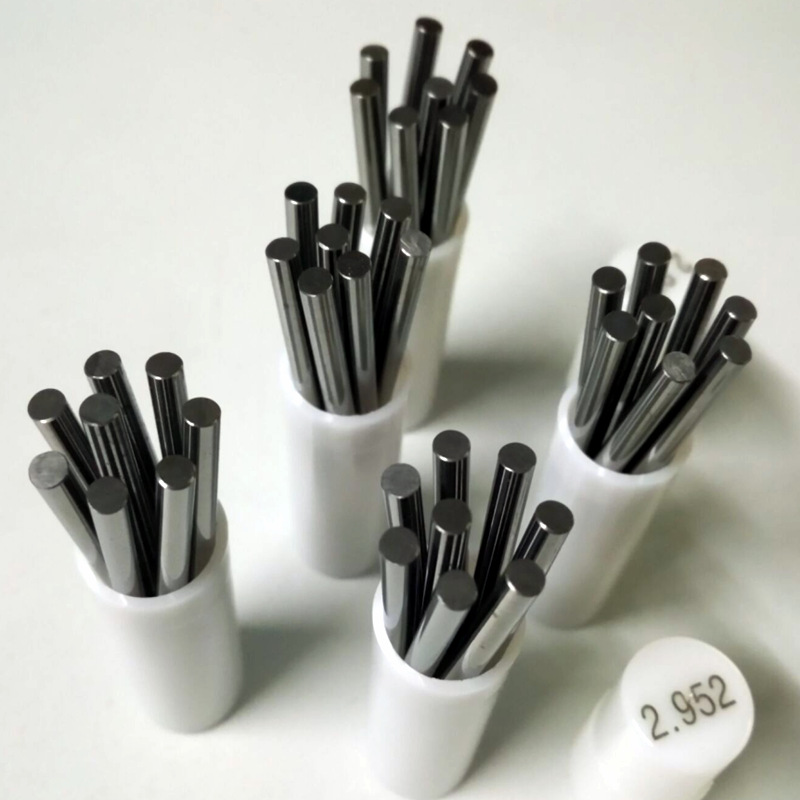
what is a water valve
Understanding Water Valves Their Role and Importance Water valves are essential components in plumbi

Versatile Welding Table Clamping Kit for Secure Workholding Solutions
The Essential Guide to Welding Table Clamp Kits Welding is an essential skill in many trades, from m
Versatile mushroom-shaped rebar cap with multiple functions
The Multi-Function Mushroom Rebar Cap Revolutionizing Construction Efficiency In the dynamic world
 English